
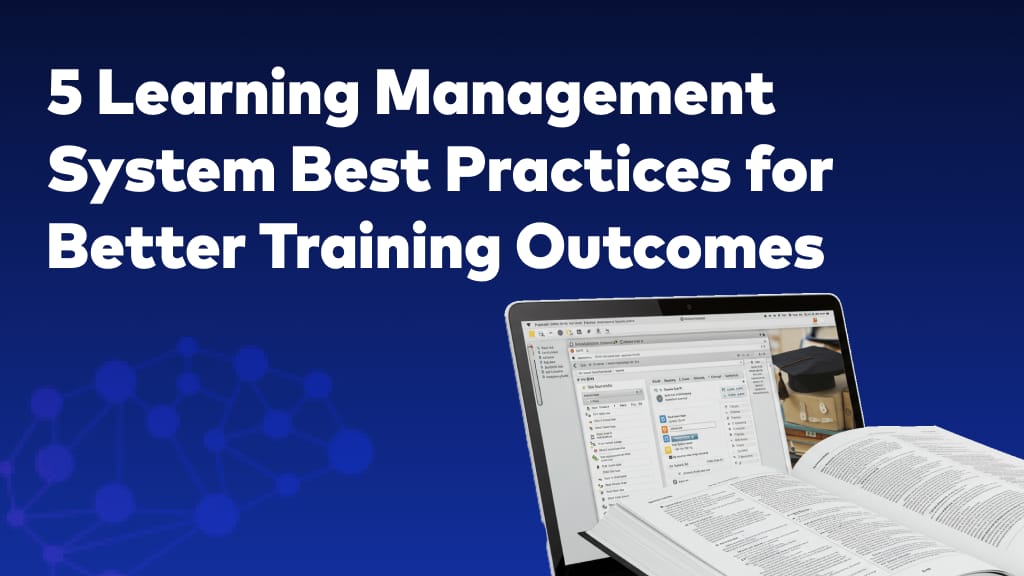
5 Best Learning Management System Practices That Improve Training Outcomes
Many global organizations invest a huge chunk of their budgets in digital training infrastructure, but the majority of their LMS implementations don’t perform well. The core problem here is not the technology but a vague strategy. When a systematic strategy is applied to a well-configured learning management system, it actually transforms employee performance from just a checkbox activity to measurable outcomes.
Here are 5 best learning management system practices that can improve organizations’ learning and development training outcomes with real ROI.
1. Define Clear Training Goals Before Configuration Begins
When it comes to learning management system configuration, many organizations neglect their training objectives. They configure the LMS without defining goals and employee training needs, which eventually doesn’t deliver any quantifiable impact. Training objectives with defined goals always boost business revenues and employee performance.
Pro Tip: Before LMS implementation, ask some fundamental questions to the relevant departments, such as which skills need improvement, which new skills are required, compliance requirements, and what their expectations are in the first 3 months.
2. Personalize Learning Levels for Different Skillsets
When it comes to training content curation, many organizations overlook it. They often approve a single strategy for every employee. This results in early viewer engagement loss. And the technique always results in low knowledge transfer and pushes junior workers away, as their learning needs are different than experienced employees. Another drawback is the waste of time and less motivation that eventually leads to below-average results.
Fortunately, modern Learning Management Systems support role-based learning paths that are easy to adapt and come with interactive assessments and conditional content releases. So, administrators can assign specific courses as per learners’ department, skills, seniority level, and other factors.
Pro Tip: This personalization makes learners feel respected and understood. So, they will learn and perform better. Go for a mixed content approach like video modules, short quizzes, scenario-based exercises, etc. This flexibility will lead to higher module completion and better knowledge retention.
3. Use Data and Analytics to Continuously Improve Content
A Learning Management System without proper analytics is just like a seed that never got water. LMS has an enormous amount of user data stored that shows their behaviours and learning journey, such as where learners skip, drop off, or their assessment success rates. This assists organizations in identifying gaps and opportunities in their employees’ skills.
Pro Tip: To make impactful decisions, configure LMS analytics correctly with major key indicators and evaluate its data. This periodic content audit of learning and development workflow ensures that content is up to date as per market demands and aligned with real-world needs.
When learning analytics are evaluated correctly, it allows higher management to track training ROI and make well-informed decisions for their businesses.
4. Prioritize Learner Onboarding Within the LMS Itself
Onboarding is the most important step that requires proper guidance; otherwise, learners will drop or skip the training entirely. Many organizations skip this crucial step, and in the end, success rates are low with negligible or zero improvement in employee skills.
Pro TIP: Add short introductory guides, walkthroughs, tutorials, and tooltips to support learners and develop their interest in learning. Once their interest builds, they can explore content libraries and monitor their progress, which makes them feel more confident and engaged in new learnings.
This strategy builds trust and ensures seamless knowledge transfer. If learners struggle to navigate the LMS on the first day, they won’t login next day. Thus, it is highly recommended to put some effort into Learning Management Systems to get desirable results.
5. Integrate the LMS with Existing Business Systems
Integration of LMS into business systems such as HRIS, Slack, performance management systems, or Microsoft Teams is the most crucial step, because a segregated LMS is useless for any organization. Integration will develop a seamless learning ecosystem that fits naturally into daily workflows.
Pro Tip: Synced learning activities allow managers to evaluate real-time data without logging into separate systems. Add automations to reduce administrative workload, such as trigger enrolments, reminders for training, and notifications for training completion. This will keep learners accountable without constant managerial intervention.
LMS integration into business systems offers support in regulated industries for compliance tracking. Audit-ready reports pull certification data directly from the LMS, saving significant time and reducing the risk of unnoticed gaps.
The Bottom Line
These best practices of learning management system configuration do not require a large budget but a solid strategy. It requires clear objectives, customized courses, proper learner onboarding, and well-configured system integration.
Organizations that treat their LMS as a strategic asset rather than a content repository always get better training results and desirable business impact. If you want to build a better LMS training strategy, SipSap got you covered! Contact us now and get the best LMS management practices.